
NEWS & INSIGHTS
Chemical Industry Updates & Company News

Send Us A Message
Choosing Insecticides by Pest Life Stage and Mode of Action
Selecting an insecticide by pest name alone is a weak basis for a control program. Two products may both claim activity against the same insect species, yet perform very differently because one reaches feeding larvae while the other relies on adult contact, or because the target population is dominated by eggs, concealed stages, or resistant survivors.
For technical evaluators, the first decision is therefore not “Which insecticide is strongest?” It is whether the active ingredient and formulation can reach the life stage causing the economic damage, at the time it is vulnerable, through a mode of action that still has practical value in the target population. A product with excellent laboratory activity can disappoint in use when those conditions do not align.
Start with the damaging stage, not the most visible stage
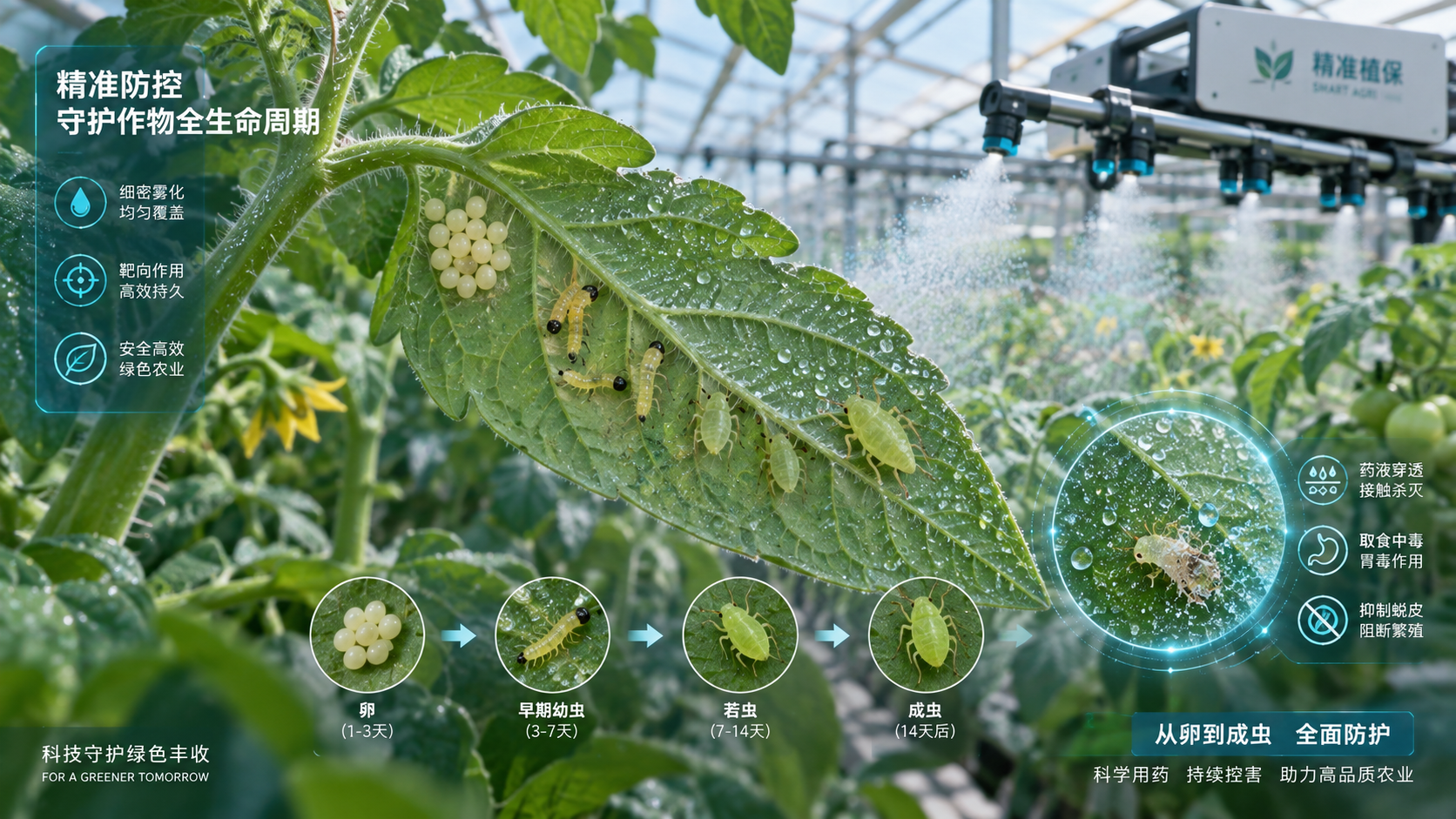
Insects move through stages with different biology, exposure routes, and susceptibility. Eggs may be protected by a chorion, leaf tissue, waxy deposits, or an inaccessible location. Larvae often feed actively and may be exposed through ingestion. Nymphs and adults can be mobile, may avoid treated surfaces, and can differ substantially in cuticle thickness or detoxification capacity. A scouting report that identifies only the species leaves out much of the information needed for a defensible selection.
The economically important stage is not always the stage most easily observed. In lepidopteran pests, small larvae can consume comparatively little crop tissue but are often much easier to control than later instars. In sap-feeding pests such as aphids, whiteflies, leafhoppers, or planthoppers, the visible adults may be responsible for movement and virus transmission, while immature stages established on leaf undersides sustain the population. For stored-product or structural pests, adults may be the stage noticed first, although eggs or immature stages can be the reason infestation returns after an apparently successful treatment.
A useful assessment asks four linked questions:
- Which life stage is present now, and which stage will be present during the planned treatment window?
- Which stage is producing feeding damage, contamination, disease transmission, or reproduction?
- Where does that stage reside: exposed leaf surface, within plant tissue, in soil, in grain, under bark, or inside a protected structure?
- Can the intended application method place a lethal dose at that location?
These questions often narrow the candidate list more effectively than broad product comparisons. They also prevent a common operational error: applying a fast knockdown material against an adult flight when the meaningful population is already established as eggs or immatures in sheltered sites.
Match life stage to the way the active ingredient works
Mode of action describes the biological process disrupted by an active ingredient. It is useful for more than resistance-management labels. It helps predict whether control depends on contact, ingestion, vapor action, systemic movement, developmental timing, or prolonged exposure to residues.
Eggs: target the hatch window, or use true ovicidal activity
Eggs are frequently the least forgiving target. Many contact insecticides have limited effect once an egg is protected by its outer layers or deposited in a concealed site. A treatment can therefore reduce adults and larvae while leaving enough viable eggs to restart the infestation.
Products with ovicidal activity, or activity against very early larval stages shortly after hatch, may be appropriate where eggs represent the dominant reservoir. Their value depends heavily on coverage and timing. When egg deposition is extended over many days, a single application may not cover the full hatch period. The evaluator should determine whether the proposed program is intended to kill eggs directly, intercept hatchlings, or both. Those are different performance claims and should not be treated as interchangeable.
Insect growth regulators can be relevant in this situation, depending on the active ingredient and pest. They may disrupt embryonic development, molting, cuticle formation, or later-stage maturation. Their visible result may be slower than that of a neuroactive adulticide, which can lead users to judge them too early. A slow visible response is acceptable only when the treatment has been selected for the correct biological stage and the monitoring plan recognizes its expected effect.
Early larvae: often the highest-value intervention point
For foliage-feeding caterpillars, beetle larvae, and similar pests, early instars are commonly the most efficient stage to target. They have lower body mass, thinner cuticles, and shorter feeding histories. More importantly, they generally consume less treated material before becoming impaired than late instars do.
Ingestion-active insecticides are particularly useful when the pest must feed on treated tissue. This includes products acting on the insect nervous system as well as compounds with other ingestion-dependent effects. Their suitability depends on the pest continuing to feed after exposure and on sufficient deposition on the plant part it consumes. A chewing larva feeding inside a rolled leaf, fruit, stem, or soil zone may receive far less exposure than a larva feeding openly on a treated leaf surface.
Microbial insecticides and selective stomach-active materials can also fit early-larval programs, but their performance is closely tied to pest species, larval size, temperature, ultraviolet exposure, crop coverage, and feeding behavior. They should not be evaluated as generic substitutes for broad-spectrum contact materials. Their value often lies in selectivity and compatibility with an integrated program, provided that application is timed before larvae become large or concealed.
Nymphs: focus on feeding route and coverage
Nymphal stages of sucking pests are often less mobile than adults but can occupy protected parts of the plant, especially leaf undersides, growing points, curled foliage, or dense canopy interiors. This creates a coverage problem even where the active ingredient has strong intrinsic toxicity.
For phloem-feeding pests, systemic or translaminar behavior may improve practical reach, depending on the active ingredient, crop, application method, and local use pattern. A systemic product is not automatically a solution for every concealed pest. Movement within the plant may be uneven, uptake may depend on plant condition, and the concentration reaching a particular feeding site may not be sufficient at the moment nymphs are active.
Contact-active materials can still be effective against nymphs when spray penetration is good and the target is exposed. In dense crops, greenhouse systems, orchards, or plants with folded leaves, application technology becomes part of the insecticide choice. Nozzles, water volume, droplet spectrum, canopy penetration, and adjuvant compatibility can decide whether an otherwise suitable product reaches the pest.
Adults: distinguish suppression from population control
Adult control is important when adults directly cause damage, transmit pathogens, contaminate products, reproduce rapidly, or migrate into a protected area. Fast-acting contact insecticides may be justified where immediate reduction is required. However, adult knockdown should not be confused with durable population control.
Adult stages may avoid treated surfaces, arrive after residues decline, or emerge from untreated immature populations. A program built only around adult mortality can create repeated interventions without reducing the underlying population. When adults are the chosen target, the evaluation should identify whether the objective is immediate suppression, interruption of mating or egg laying, reduction of disease-vector pressure, or elimination of an indoor infestation. Each objective supports a different tolerance for residual activity, speed of action, and selectivity.
Mode of action should guide resistance decisions, but it is not a guarantee
Resistance risk is one of the main reasons that stage-specific selection matters. Repeated use of insecticides with the same mode of action can select survivors that carry target-site changes, enhanced metabolic detoxification, reduced penetration, or behavioral avoidance. Changing brands or formulations does not solve that problem when the underlying active ingredients affect the same biological target.
The practical starting point is to identify the active ingredient’s recognized mode-of-action group and compare it with recent treatments used against the same pest population. Rotation should involve meaningful differences in mode of action, rather than minor changes in product presentation. The sequence must also remain biologically sensible. Rotating to a product that does not reach the present life stage may appear compliant on paper while producing poor control and further selection pressure in the field.
Cross-resistance requires caution. Some pest populations resistant to one active ingredient may show reduced sensitivity to another even when product performance claims differ. Local resistance information, where available, is more useful than generic assumptions. Where it is unavailable, technical teams should avoid treating a previous failure as proof that every product in a broad category has failed. First check application timing, pest identification, life stage, coverage, dose accuracy, water quality, and environmental conditions. A control failure may be caused by resistance, but it may also reflect a mismatch between product behavior and pest biology.
Formulation and application route can change the practical answer
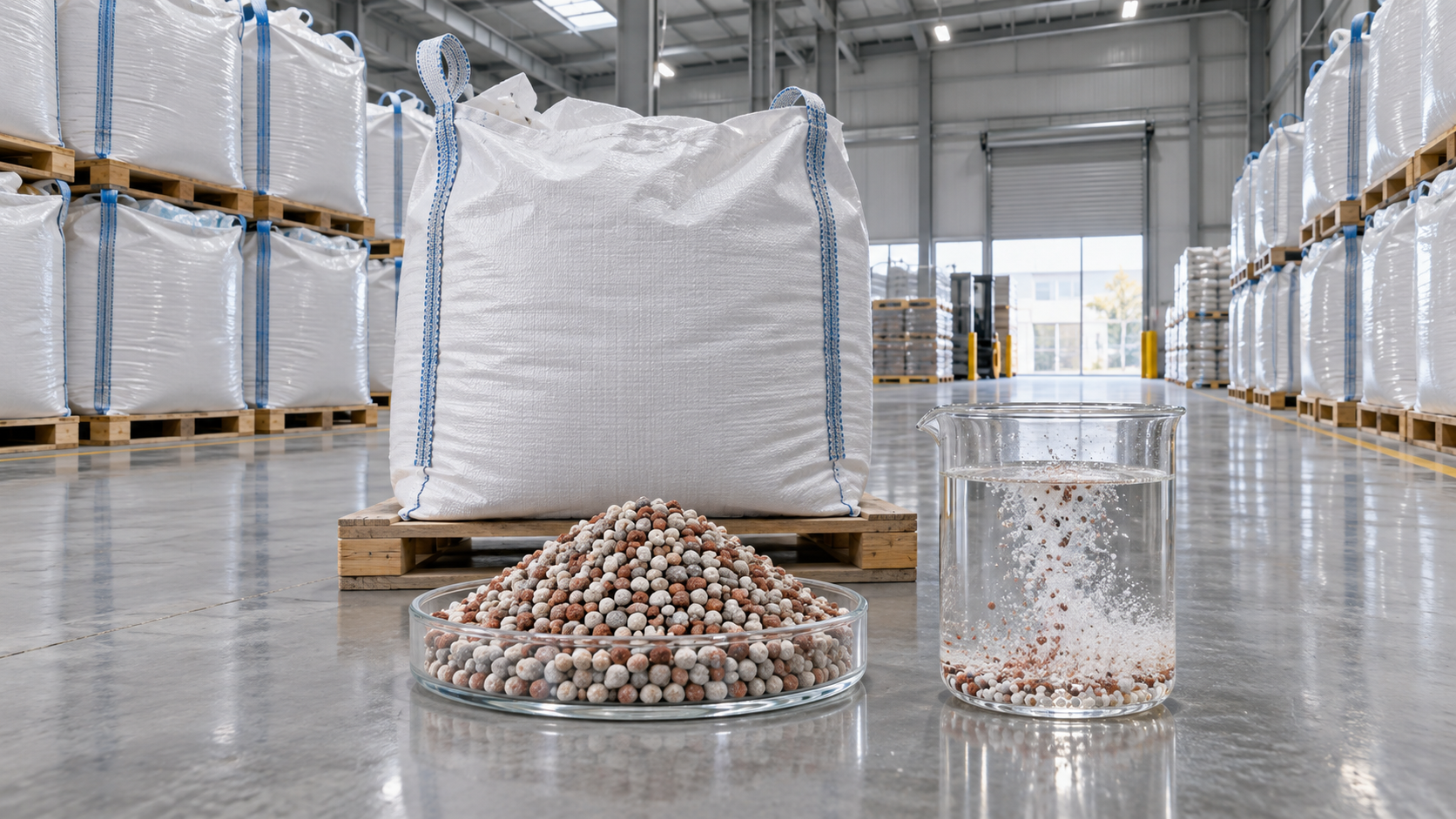
An active ingredient cannot be assessed separately from its formulation and delivery route. The same mode of action may perform differently as an emulsifiable concentrate, suspension concentrate, water-dispersible granule, bait, seed treatment, granule, ultra-low-volume formulation, or other permitted product format. Formulation affects handling, mixing, deposition, residual behavior, worker exposure controls, and suitability for the application equipment available.
For example, a contact material used against exposed adults demands deposition on the target surface. A bait requires the pest to locate and consume it in preference to alternative food sources. A soil-applied product must reach the relevant root zone and be compatible with the crop and soil conditions. A fumigant or space treatment, where legally permitted and professionally managed, has a different set of enclosure, gas distribution, safety, and re-entry requirements from a foliar spray. Treating all formats as simple delivery variants can produce serious technical and operational errors.
Procurement specifications should therefore include more than active ingredient and concentration. They should define the intended target pest and stage, use site, application equipment, compatible tank partners where relevant, required pack size, storage conditions, transport classification, label language, and destination-market registration status. This is especially important in international supply chains, where an active ingredient may be available commercially but the intended formulated use may not be authorized in the destination country or crop system.
A selection workflow that prevents avoidable mismatches
A concise technical dossier can make evaluation more disciplined. It need not be lengthy, but it should force the team to document the assumptions behind the recommendation.
- Confirm the pest: distinguish the target species from look-alike insects and record the dominant life stages.
- Define the control objective: immediate knockdown, prevention of establishment, protection of marketable yield, interruption of reproduction, or reduction of vector pressure.
- Map exposure: identify feeding behavior, pest location, canopy or site access, and whether contact, ingestion, or plant uptake is realistic.
- Screen modes of action: exclude groups with recent repeated use or credible resistance concerns, then select candidates with activity suited to the stage.
- Check formulation fit: verify compatibility with available equipment, water, application volume, crop surface, and working conditions.
- Verify the legal use pattern: assess the registered crop or site, target pest, application restrictions, maximum use conditions, pre-harvest or re-entry requirements where applicable, and import-market residue obligations.
- Set a monitoring point: decide when efficacy will be assessed and which life stage will be counted after treatment.
The last point is often overlooked. A neuroactive contact insecticide may produce visible mortality quickly. A growth regulator, ingestion-active product, or material directed at eggs may require evaluation at a later biological checkpoint. Measuring every product by immediate adult knockdown favors the wrong chemistry for many pest situations.
Common selection errors
One error is choosing the broadest-spectrum option as a default response. Broad activity can be useful in a mixed infestation, but it may also disrupt beneficial insects or make subsequent pest management harder. Selective options deserve consideration when the target pest, life stage, and application timing are sufficiently well defined.
Another is escalating rate or frequency after weak performance without diagnosing the cause. If late larvae are feeding inside protected tissue, increasing a surface-contact treatment may add cost and exposure without correcting the access problem. If eggs are continuing to hatch, repeating an adulticide may leave the lifecycle intact. If resistance is present, a repeat application from the same mode-of-action group may accelerate the loss of usefulness.
A third error is treating compliance as a final paperwork step. For insecticides, permitted use, formulation status, hazard classification, packaging, transport documentation, residue requirements, and destination-market rules can materially affect whether a technically suitable product can be purchased and used. These checks belong early in the selection process, especially for export-oriented procurement.
The strongest insecticide choice is usually the one with the clearest biological fit: it reaches the pest where it is, acts while the susceptible stage is present, fits a credible resistance strategy, and can be applied and supplied within the relevant regulatory conditions. That is a more reliable basis for selection than a pest-name label claim or a promise of rapid knockdown alone.
Send Us Your Inquiry Today
Honghuida Chemical is a professional chemical product supplier with ample stock of all chemical categories and excellent quality, welcome your purchase inquiry.